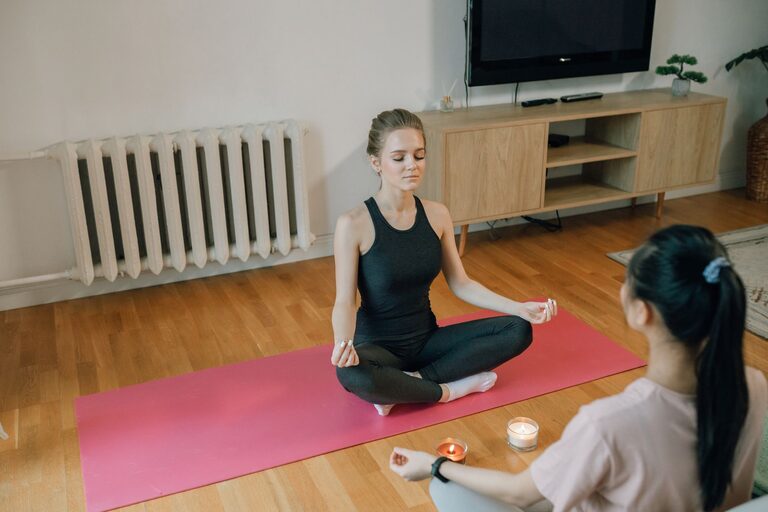

Mindfulness is a powerful yet simple way to enhance your mental clarity, reduce stress, and improve your overall well-being. You don’t need special equipment or a lot of time to practice mindfulness. Incorporating a few easy techniques into your daily life can make a meaningful difference in how you feel and respond to everyday situations.
In this post, we’ll explore simple mindfulness practices you can try today. Whether you’re new to mindfulness or looking for ways to deepen your practice, these tips will help you cultivate awareness and calm throughout your day.
What Is Mindfulness?
Mindfulness means paying attention to the present moment without judgment. It involves noticing your thoughts, feelings, bodily sensations, and surroundings as they are, rather than getting caught up in worries about the past or future.
Practicing mindfulness helps create a space between your reactions and your thoughts, allowing you to respond to situations more calmly and clearly.
Benefits of Mindfulness in Daily Life
– Reduces stress and anxiety
– Improves focus and concentration
– Enhances emotional regulation
– Boosts resilience to challenges
– Promotes better sleep
– Encourages a positive outlook
Even a few minutes of mindfulness daily can support your mental and physical health.
Simple Mindfulness Practices to Try
1. Mindful Breathing
One of the easiest ways to begin mindfulness is to focus on your breath.
– Find a comfortable seated position.
– Close your eyes or soften your gaze.
– Take a deep breath in through your nose, feeling your lungs expand.
– Slowly exhale through your mouth or nose.
– Repeat for 1 to 5 minutes, noticing the sensation of breathing.
– If your mind wanders, gently bring your attention back to your breath.
This practice can calm your nervous system and ground you in the present moment.
2. Body Scan
A body scan helps you connect with physical sensations and release tension.
– Lie down or sit comfortably.
– Close your eyes and take a few deep breaths.
– Slowly bring your attention to different parts of your body, starting from your toes and moving upward.
– Notice any areas of tension or ease without trying to change them.
– Spend 20 to 30 seconds on each body part.
– Finish by noticing your whole body as a single, unified experience.
Doing a body scan before bed can also promote relaxation and better sleep.
3. Mindful Eating
Eating mindfully helps you enjoy your food and improve digestion.
– Choose a meal or snack without distractions (no phones or TV).
– Look at your food, noticing colors and textures.
– Take small bites and chew slowly.
– Pay attention to tastes, smells, and how the food feels in your mouth.
– Notice feelings of hunger or fullness during the meal.
Mindful eating encourages healthy habits and deeper appreciation of nourishment.
4. Mindful Walking
Walking can become a moving meditation when practiced mindfully.
– Walk at a natural pace, preferably outside.
– Focus on the sensation of your feet touching the ground.
– Notice the movement of your legs, the rhythm of your steps.
– Observe the environment around you—sounds, smells, sights.
– If your mind wanders, gently return your focus to walking.
Even a five-minute mindful walk can refresh your mind during a busy day.
5. Five Senses Exercise
This technique helps you ground yourself quickly by connecting to the present using your senses.
– Look around and name five things you can see.
– Identify four things you can feel (like your clothing, chair, or breeze).
– Listen for three sounds nearby.
– Notice two smells in your environment.
– Recognize one taste (even if just the flavor in your mouth).
This quick exercise is useful anytime you feel overwhelmed or distracted.
6. Mindful Journaling
Writing can offer clarity and support mindfulness through reflection.
– Set aside 5 to 10 minutes daily.
– Write about your current feelings or experiences without judgment.
– Focus on what you notice in your body and mind.
– Avoid editing or analyzing your thoughts as you write.
– Close your journal with a moment of gratitude or affirmation.
Journaling encourages self-awareness and emotional expression.
Tips for Establishing a Mindfulness Habit
– Start small: Aim for 2–5 minutes daily and gradually increase.
– Be consistent: Try to practice at the same time each day. Morning or before bed works well for many.
– Create a quiet space: Find a calm spot with minimal distractions.
– Use reminders: Set alarms or notes to prompt mindfulness breaks.
– Be patient: Mindfulness is a skill that grows over time. Don’t judge yourself for wandering thoughts.
Conclusion
Incorporating mindfulness into your daily life doesn’t need to feel complicated or time-consuming. Simple practices like mindful breathing, eating, or walking can bring a peaceful awareness to your routine and help you navigate life more calmly and clearly.
Try experimenting with these techniques to see which work best for you. Over time, you may find mindfulness becomes a natural and cherished part of your day—a helpful path to greater well-being and balance.
About the Author