
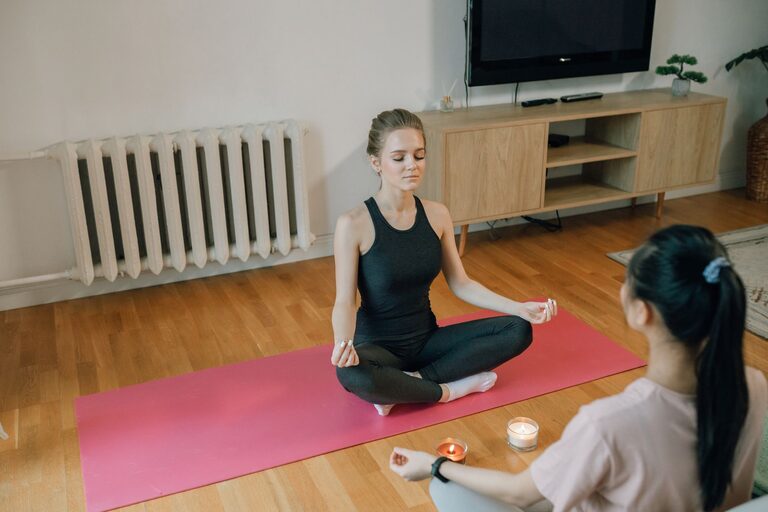
Taking mindful breathing breaks is a simple yet powerful way to reduce stress, improve focus, and promote overall well-being. If you’re new to mindfulness or feeling overwhelmed by your daily routine, incorporating short breathing exercises can make a noticeable difference. This guide will help beginners understand what mindful breathing is and how to practice it effectively.
What is Mindful Breathing?
Mindful breathing means paying close attention to your breath—how it moves in and out of your body—without trying to change it. This awareness helps you stay present and calm, shifting your focus away from worries or distractions.
Why Take Breathing Breaks?
– Reduce Stress: Deep, focused breathing triggers the body’s relaxation response.
– Increase Concentration: Short breaks refresh your mind, helping you stay attentive.
– Boost Energy: Better oxygen flow supports your brain and body.
– Enhance Emotional Balance: Mindfulness can improve mood and reduce anxiety.
You don’t need special equipment or a quiet room to get started. Even a few minutes can help.
Getting Started: Basic Mindful Breathing Tips
1. Find a Comfortable Position
You can sit, stand, or even lie down. The key is to keep your back straight enough to breathe easily. Relax your shoulders and hands.
2. Focus on Your Breath
Close your eyes if you like, and notice the natural rhythm of your breathing. Pay attention to:
– The sensation of air entering and leaving your nostrils
– The rise and fall of your chest or belly
Avoid trying to control your breath; just observe it.
3. Breathe Slowly and Deeply
Try inhaling slowly through your nose for about 4 seconds, then exhaling gently through your mouth or nose for about 5 to 6 seconds. Adjust the timing so it feels comfortable.
4. Use a Simple Counting Method
To keep your mind focused, count your breaths silently:
– Inhale: count “one”
– Exhale: count “two”
Continue until you reach ten, then start again at one.
5. Start with Short Sessions
Begin with just 2 to 3 minutes a few times a day. Gradually increase to 5 or 10 minutes as you feel comfortable.
Tips for Making Mindful Breathing a Habit
Set Reminders
Use your phone or sticky notes to prompt you to take breathing breaks during the day.
Pair Breathing with Daily Activities
Try mindful breathing while waiting in line, during your commute, or before meals.
Use Guided Breathing Apps or Videos
If you prefer guidance, many free apps and online videos offer simple breathing exercises.
Be Patient and Kind to Yourself
It’s normal for your mind to wander. Gently bring your focus back to your breath without judgment.
Common Challenges and How to Overcome Them
Difficulty Staying Focused
Try shorter sessions or focus on physical sensations like the feeling of your feet on the floor.
Feeling Lightheaded
If you feel dizzy, breathe more gently or return to your natural breathing rhythm.
Discomfort Sitting Still
Try mindful breathing lying down or while walking slowly.
Sample Mindful Breathing Exercise to Try Now
- Sit comfortably with your feet flat on the floor.
- Close your eyes and take a deep breath in through your nose for 4 seconds.
- Hold your breath gently for 2 seconds.
- Slowly exhale through your mouth for 6 seconds.
- Repeat this cycle 5 to 10 times.
Notice how your body and mind feel before and after.
Final Thoughts
Mindful breathing breaks are a simple habit anyone can adopt to improve mental clarity and emotional balance. With regular practice, you may find yourself more centered, less stressed, and better able to handle daily challenges. Remember, the goal is not to control your breath perfectly but to observe it with curiosity and kindness.
Give yourself permission to pause, breathe, and reset throughout the day. Your mind and body will thank you!
About the Author